مولد FLUX.1 Image-to-Image
حول صورك باستخدام مولد FLUX.1 Image-to-Image. بفضل نموذج التحويل المكون من 12 مليار معلمة، يمكن لهذه الأداة تنفيذ تعديلات وتحسينات مذهلة بناءً على أوصاف نصية مفصلة.
الصورة المولدة
naked

A sinister woman with unnaturally pale, flawless skin and fully red, glowing eyes that emit an intense demonic radiance. The red glow from her eyes subtly illuminates parts of her face, casting eerie crimson reflections on her cheeks and under her eyes. Her long, jet-black hair cascades past her shoulders, framing her haunting expression. She wears an elegant, completely black dress that merges into the dark background. Her lips curl into a subtle yet malevolent smirk. The atmosphere is dark and mysterious, with soft ambient lighting enhancing the ominous presence of the woman. The red glow interacts with the shadows, creating a haunting, cinematic effect.

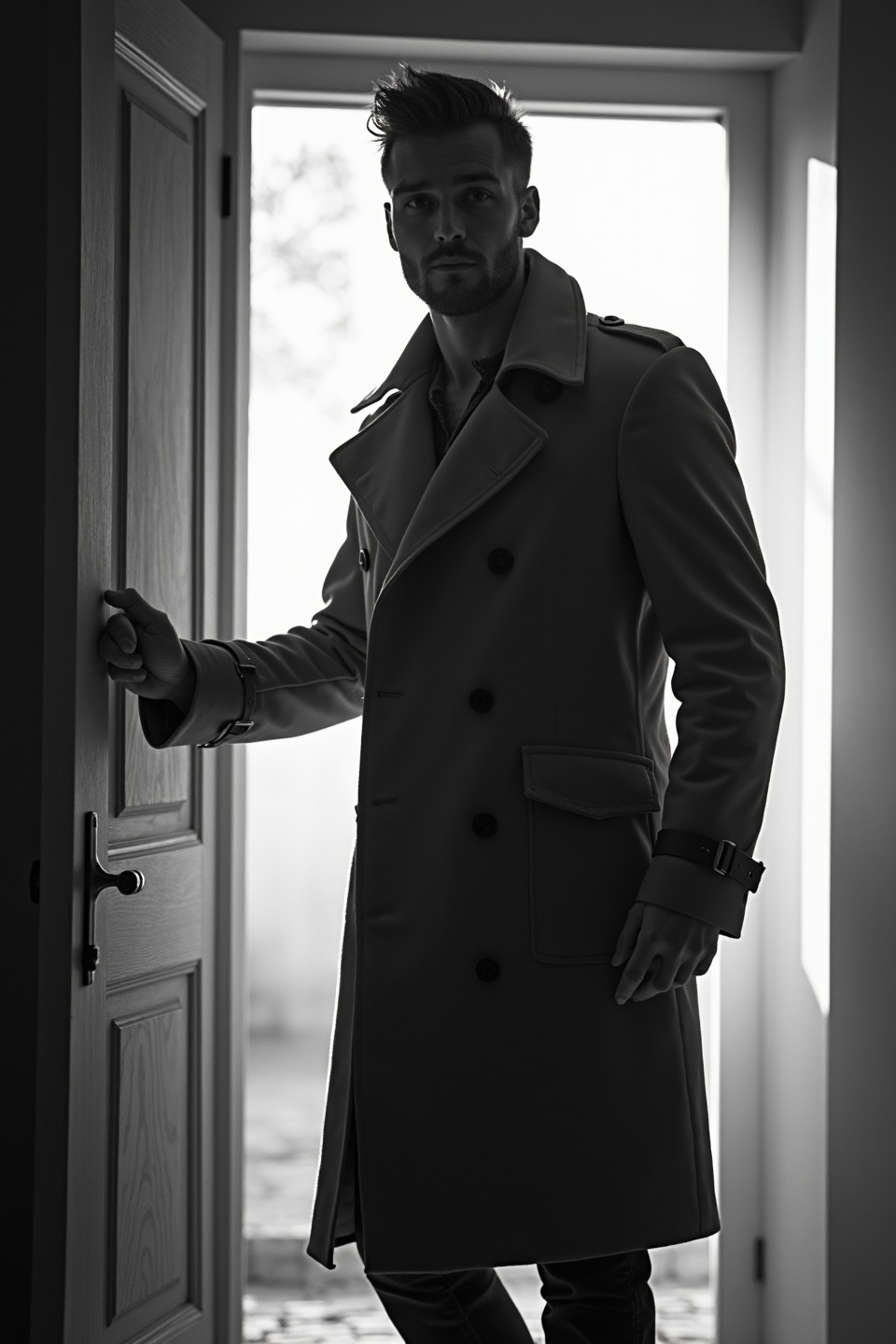
black-and-white photo with the backlit dark silhouette of a handsome broad-shouldered man in a trench coat standing in a doorway coming and looking to camera. The man touching the door, as if he just entered the room. God rays. Backlight. Overexposed street background
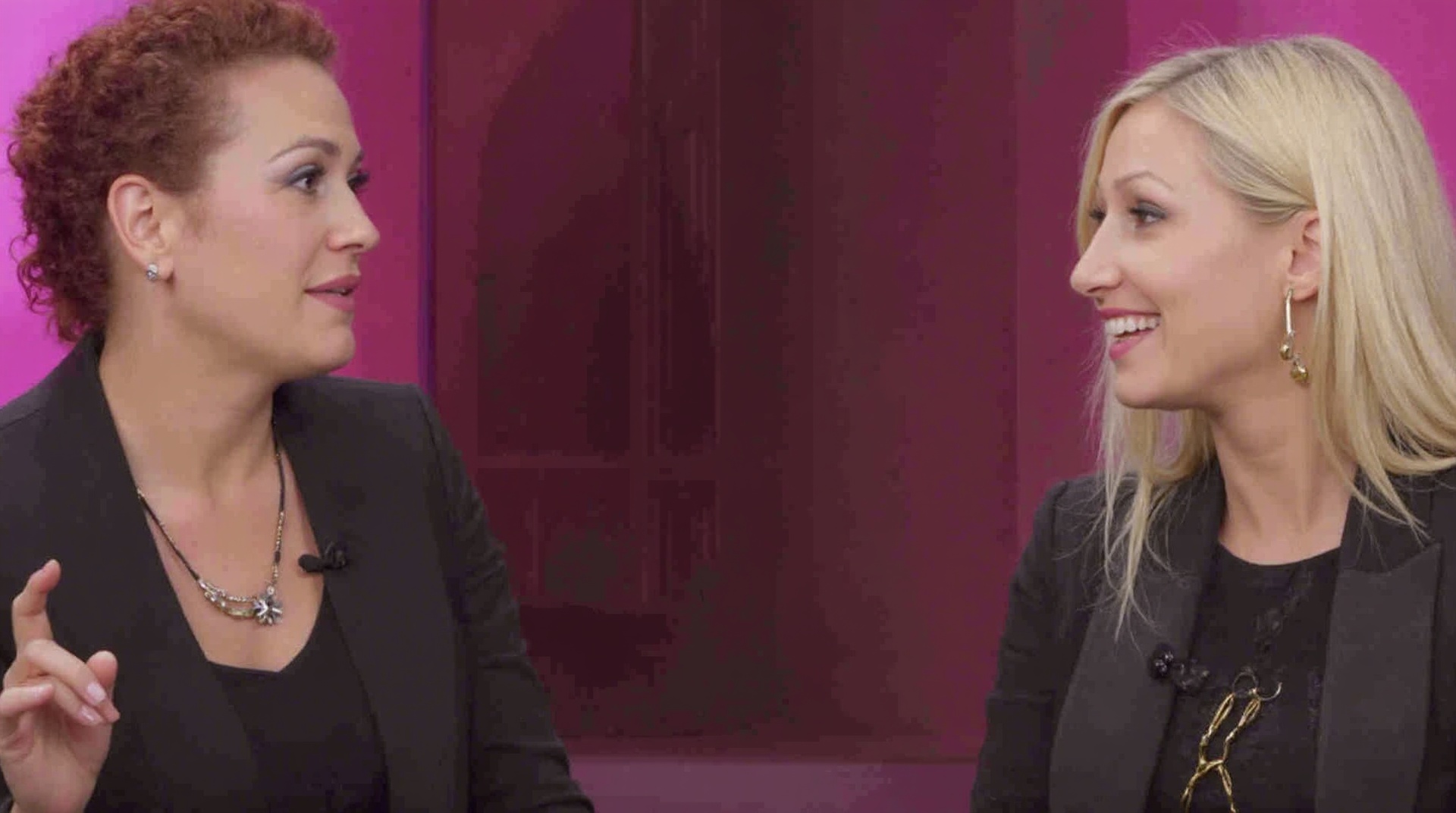
Ultra realistic photo of the same woman from the reference image, standing under a modern shower, wet hair, water droplets on skin, natural facial features identical to reference photo, accurate face preservation, soft bathroom lighting, white marble tiles, cinematic photography, realistic skin texture, shallow depth of field, lifestyle magazine quality, natural body proportions, highly detailed, 85mm lens, photorealistic, professional photography

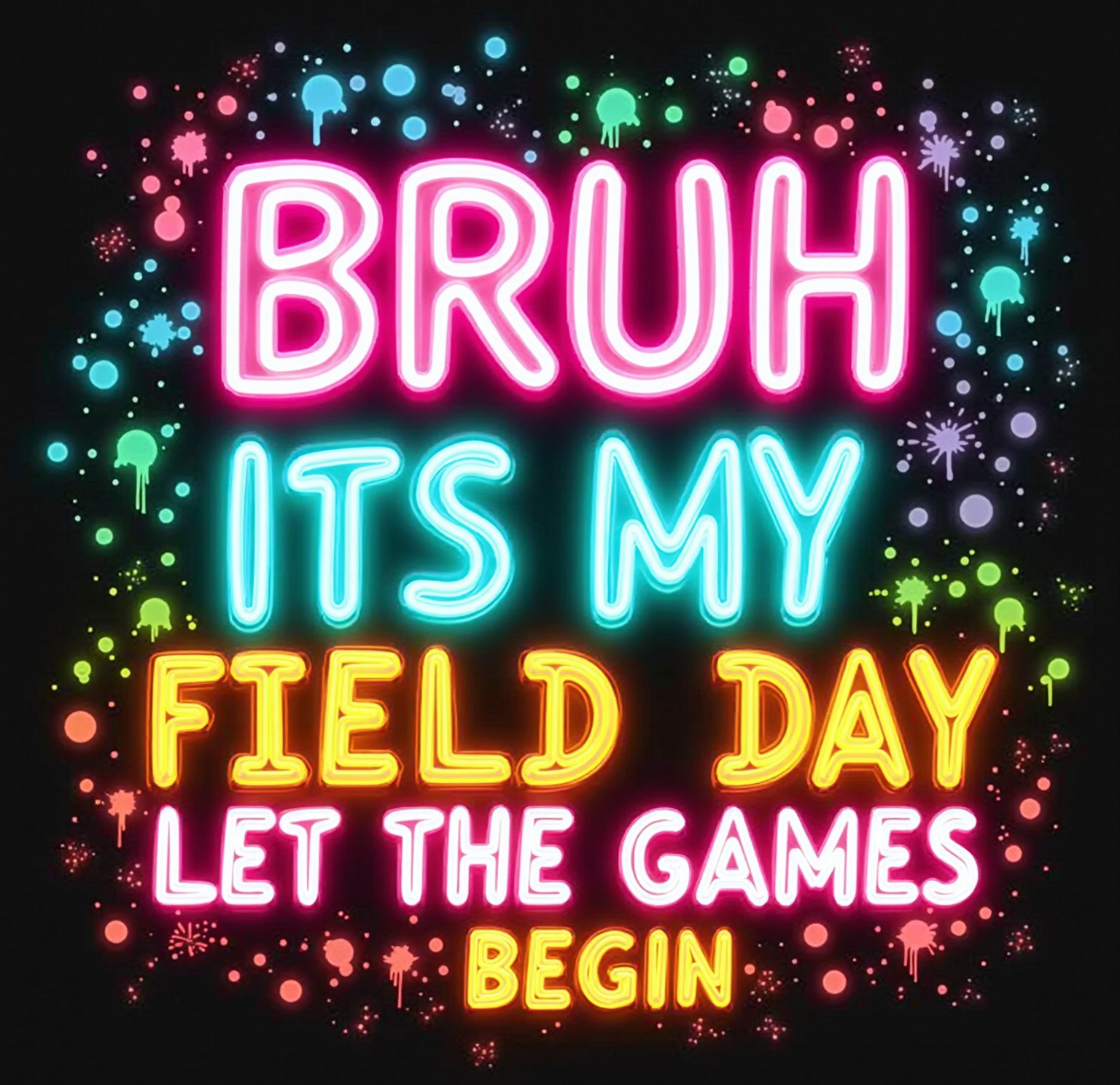
A neon-style digital sign with colorful text against a black background. The text reads "BRUH" in large pink neon letters at the top, followed by "IT'S MY" in light blue neon, "FIELD DAY" in orange neon, and "LET THE GAMES BEGIN" in pink neon at the bottom. The text is surrounded by vibrant paint splatter effects in blue, green, yellow, and pink colors. Small blue and pink dots are scattered throughout the design, creating a festive atmosphere. The paint splatters have a glossy, wet appearance with drips and drips along the edges. The overall design has a playful, energetic aesthetic with high contrast against the dark background. The neon effects create a glowing outline around each text element, giving them a three-dimensional appearance.
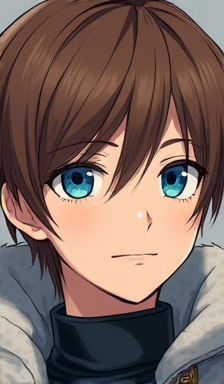
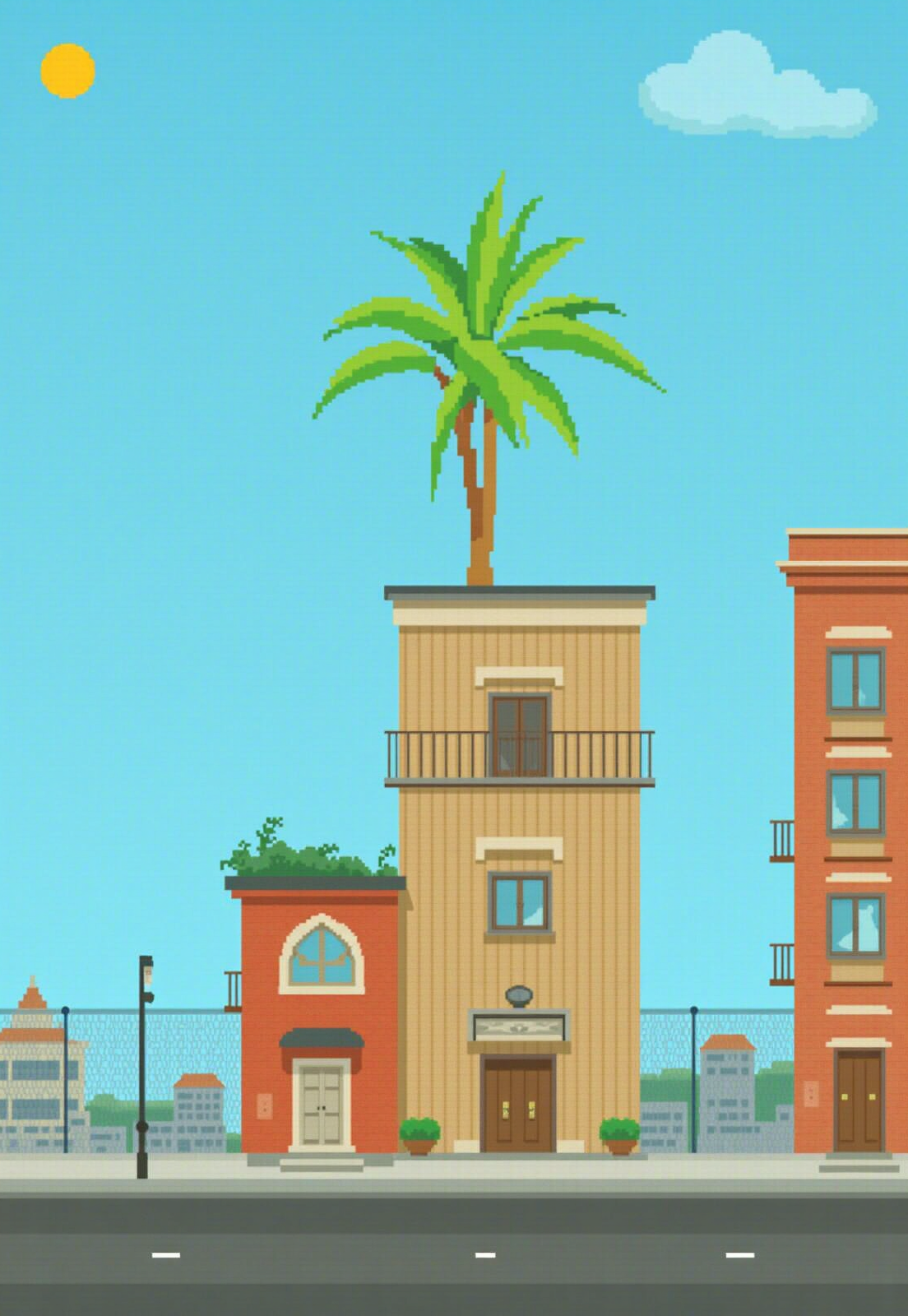
This building in 1960's in Barcelona. A little girl is looking dog track race, with 7 dogs running and the stands are full of people excited about the race.

Make undress completely

Woman on right reveals her breasts

Design Guidelines for Kid-Friendly Learning App Use this guide to ensure every visual element — from characters to icons to backgrounds — is cohesive, child-friendly, and ready for screen-based animation. These principles must be followed for all illustrations, UI assets, and animations. 1. Clean Flat Vector Aesthetic Do this: • Use solid, flat colors only — no gradients, no shadows, no textures. • No outlines. Shapes should be clean and readable without strokes. • All shapes must be soft and rounded. No sharp corners or aggressive angles. Purpose: • Creates a friendly, safe, and screen-friendly appearance. • Ensures clarity and consistency on all screen sizes. 2. Color System Primary Colors (Main UI Elements, Highlights) 1. Fresh Green – RGB: (2, 157, 103) – Hex: #029d67 2. Sky Blue – RGB: (119, 188, 246) – Hex: #77bcf6 3. Sunshine Yellow – RGB: (250, 221, 62) – Hex: #fadd3e 4. Blush Pink – RGB: (246, 121, 122) – Hex: #f6797a 5. Peach Orange – RGB: (254, 206, 138) – Hex: #fece8a Accent Colors (Icons, Small UI Highlights) 6. Bubblegum Pink – RGB: (250, 137, 179) – Hex: #fa89b3 7. Leaf Green – RGB: (94, 204, 71) – Hex: #5ecc47 8. Turquoise – RGB: (63, 179, 236) – Hex: #3fb3ec 9. Tangerine – RGB: (255, 145, 66) – Hex: #ff9142 10. Citrus Lime – RGB: (143, 202, 63) – Hex: #8fca3f 11. Coral Red – RGB: (204, 55, 59) – Hex: #cc373b 12. Pumpkin Orange – RGB: (233, 107, 28) – Hex: #e96b1c 13. Electric Purple – RGB: (97, 62, 232) – Hex: #613ee8 14. Berry Purple – RGB: (210, 50, 190) – Hex: #d232be 15. Seafoam Green – RGB: (34, 181, 115) – Hex: #22b573 16. Flamingo Pink – RGB: (255, 113, 206) – Hex: #ff71ce Neutral / Background Color 17. Pure White – RGB: (255, 255, 255) – Hex: #ffffff 18. Charcoal Black – RGB: (0, 0, 0) – Hex: #000000 19. Cool Gray – RGB: (246, 246, 246) – Hex: #f6f6f6 20. Soft Lavender – RGB: (240, 173, 234) – Hex: #f0adea Structural / Environment Colors (Houses, Mountains, Natural Shapes) 21. Brick Red – RGB: (204, 55, 59) – Hex: #cc373b 22. Earth Brown – RGB: (140, 101, 46) – Hex: #8c652e 23. Royal Blue – RGB: (63, 72, 204) – Hex: #3f48cc 24. Eggplant Purple – RGB: (118, 66, 138) – Hex: #76428a 25. Lemon Cream – RGB: (255, 255, 128) – Hex: #ffff80 Rules: • Colors must be bright and high-saturation. • Ensure strong contrast between foreground and background for accessibility. • Do not use gradients, shadows, or lighting effects. • Use layering to imply depth — not realism. 3. Emotionally Expressive Characters Character Style: • Use chibi proportions: Big heads, small bodies. • Simplify anatomy: No fingers, necks, or detailed joints. • Faces must show clear, exaggerated emotions using: ◦ Wide eyes ◦ Thick eyebrows ◦ Open mouths Design with Personality: • Characters should have distinct moods: ◦ e.g., Character 1 always looks bored or skeptical. ◦ Character 2 might always look excited or curious. Consistency: • Maintain a unique silhouette for each character. • Stick to flat color blocks and geometric forms. 4. Geometric Design Rules Use geometric primitives: • Circles: Heads, eyes, cheeks, hands • Rounded rectangles: Limbs, torsos • Triangles (simplified): Hair spikes, ears, tails Layout rules: • Use centered symmetry for balance and harmony. • Keep designs pixel-perfect — optimized for mobile and tablet. 5. Modular & Animation-Ready Build assets for reuse: • Design facial features (eyes, mouths, brows) on separate layers. • Keep limbs, accessories, and props modular. • Build characters with rig-friendly layering (for use in Lottie or After Effects). UI Integration: • Every illustration must work within screen layouts (buttons, menus, instructional cards). • Avoid overly wide or tall characters that don’t fit standard containers. 6. Educational Reinforcement through Visuals Design with purpose: • Illustrations must clarify language concepts. ◦ e.g., A pig eating an apple for the sentence “The pig eats an apple.” • Props like books, food, and flags must be instantly recognizable, using the same flat vector style. Icons: • Follow the same color and shape rules. • Keep icons simple and functional — never more than 2–3 elements. Do NOT Use Element Reason Gradients or shadows Breaks minimalist, child-friendly look Thin outlines or sketch lines Reduces clarity on screens Realistic textures or proportions Not engaging or necessary for learning Overly complex characters Harder to animate and recognize Recommended Tools • Illustration: Inkscape Summary – Follow These Rules Every Time Design Element Rule Form Flat, soft-rounded, geometric Color Bright, bold, no gradients Characters Chibi-style, expressive, simplified Function Modular, animation-ready, screen-first Mood Cheerful, supportive, child-safe Always ask yourself: “Is this fun, readable, and clear for a 5-year-old?” If not — simplify more. The design must focus on large, inviting, easily tappable elements. Users have less precise motor control, so visual clarity, big targets, and playful proportions are essential. Here’s a tailored guideline based on tablets (iPads and Android), accounting for common screen sizes (7″ to 13″) and PPI (150–326): Object Size Guidelines for Kids Learning Apps (Tablet-Specific) UI/Game Element Suggested Size (dp) Notes / Justification Main Character 120–160 dp Friendly, big enough to feel alive and visible in story scenes Tap Targets (e.g. letters, buttons, animals) ≥72 dp (ideal: 96–128 dp) Google recommends 48 dp minimum; for kids, 72+ dp is much safer Doors / Slide Entrances 150–200 dp height Symbolically large, triggers curiosity; sized for touch and animation Tiles (matching cards, grid) 96–128 dp square Easy tap zones for games like drag-drop, matching Coins / Stars / Icons 64–96 dp Slightly exaggerated visual feedback, avoids eye strain HUD Buttons (back, skip) 72–96 dp Visible even if in corners, still tappable by small fingers Letters / Word Cards 128–160 dp width Prioritize recognition and interaction; large font (32–48 sp) Story Slide Images Match 70–80% width of screen, height proportionally adjusted Avoid clutter; focus user attention on one subject per slide Layout Design Notes • Spacing between tappable elements should be at least 24–32 dp to avoid accidental taps. • Use large margins (~48 dp) around content to prevent screen edge touches from failing. • Maintain aspect ratios: design with 4:3 or 16:10 safe areas, avoid edge pinning. Interaction Guidelines • Make all animations & touch effects oversized and playful (e.g., characters bounce, grow on touch) • Use high-contrast flat colors (from your design guide palette) • Use visual cues, not just text (e.g., an apple image with the letter “A”) Example Sizes in Practice Imagine a story slide in Duo ABC-style UI: Element Size Main character 140 dp tall Friend / Animal 120 dp Tree / Door 160–180 dp height Letter card 128×96 dp Next button 96 dp These values will feel natural on both: • iPad 10.9” @ 2360×1640 (264 ppi) • Android 10” @ 1920×1200 (220 ppi) Summary • Design large, bold, spaced UI—ideal for small hands and attention spans. • Target size for tap elements: 96–128 dp • Use scalable vector assets or multiple PNG resolutions • Keep character sizes between 120–160 dp • Always test on 4:3 and 16:10 tablets

REFERENCE IMAGE DEFINES THE IDENTITY. Preserve exact facial identity from reference image: identical face shape, eyes, nose, lips, jawline, cheekbones, eyebrows, hairline, hair color, hairstyle. No makeup, natural skin texture, realistic pores, candid photo, photorealistic DSLR image. Identity lock: do not change face or create a different person. Young blonde woman in a modern gym. Wearing tight athletic leggings and fitted crop top and shorts that highlights body shape. Slight sweat after workout, leaning against wall, relaxed confident smile, natural posture. Soft gym lighting, realistic skin texture, fitness fashion photography, photorealistic. Full body shot.
كيفية استخدام مولد FLUX.1 Image-to-Image؟
اتبع هذه الخطوات لتحويل وتحسين صورك باستخدام FLUX.1 Image-to-Image:
- قم بتحميل صورتك بتنسيق PNG أو JPG، حتى 2048 × 2048 بكسل.
- أدخل وصفًا نصيًا تفصيليًا للتغييرات أو التحسينات التي ترغب في تطبيقها.
- اضبط معلمات النموذج، مثل الدقة ومستوى إزالة الضوضاء، لتحقيق النتيجة المطلوبة.
الأسئلة المتكررة
ما هو استخدام FLUX.1 Image-to-Image؟
يستخدم FLUX.1 Image-to-Image لتحويل وتحسين الصور بناءً على أوصاف نصية محددة. إنه مثالي لتحرير الصور، النماذج الإبداعية، وتحسين الأعمال الفنية.
كيف يقوم FLUX.1 Image-to-Image بتوليد النتائج؟
يستخدم FLUX.1 Image-to-Image نموذج تحويل قوي يفسر مطالبات النص الخاصة بك ويطبق تعديلات تفصيلية على صورتك المحملة، مما يولد مخرجات عالية الجودة.
ما هي جودة الصور التي يمكنني توقعها من FLUX.1 Image-to-Image؟
يوفر FLUX.1 Image-to-Image جودة صور فائقة مع دقة تصل إلى 2048 × 2048 بكسل، مما يوفر صورًا واقعية للغاية وتفصيلية.
هل يمكن استخدام FLUX.1 Image-to-Image للأغراض التجارية؟
نعم، يمكن استخدام FLUX.1 Image-to-Image للأغراض الشخصية والعلمية والتجارية، ويقدم تراخيص مرنة لمجموعة واسعة من التطبيقات.
ما الذي يميز FLUX.1 Image-to-Image؟
يتميز FLUX.1 Image-to-Image بقدراته المتقدمة في الذكاء الاصطناعي، مما يتيح تحويلات صور دقيقة وتفصيلية تتماشى بشكل وثيق مع مطالبات المستخدم.
كيف يمكنني تحقيق أفضل النتائج مع FLUX.1 Image-to-Image؟
لتحقيق أفضل النتائج، استخدم مطالبات واضحة ومفصلة. جرب إعدادات مختلفة لتحسين المخرجات وفقًا لاحتياجاتك.