FLUX.1 Bild-zu-Bild Generator
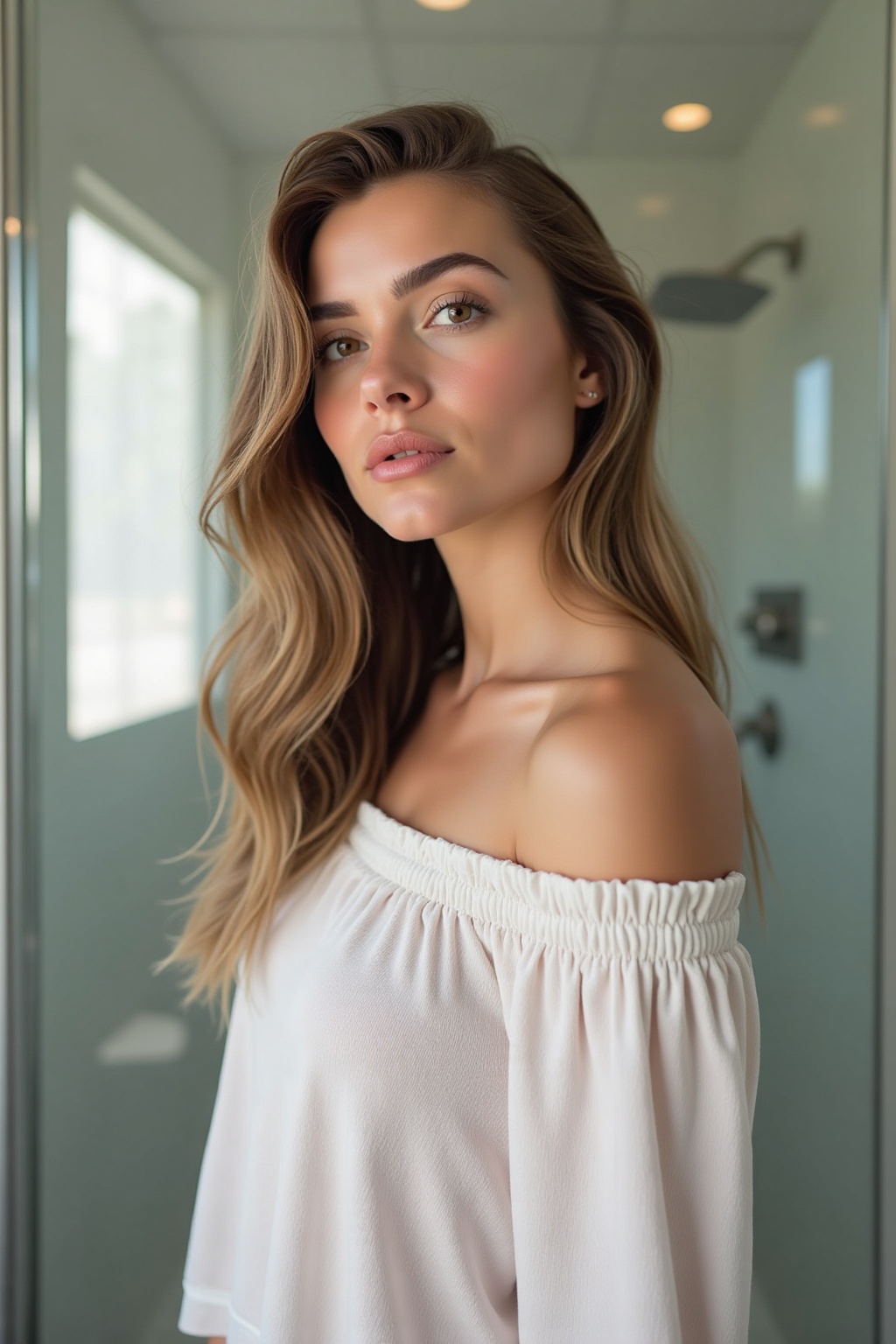
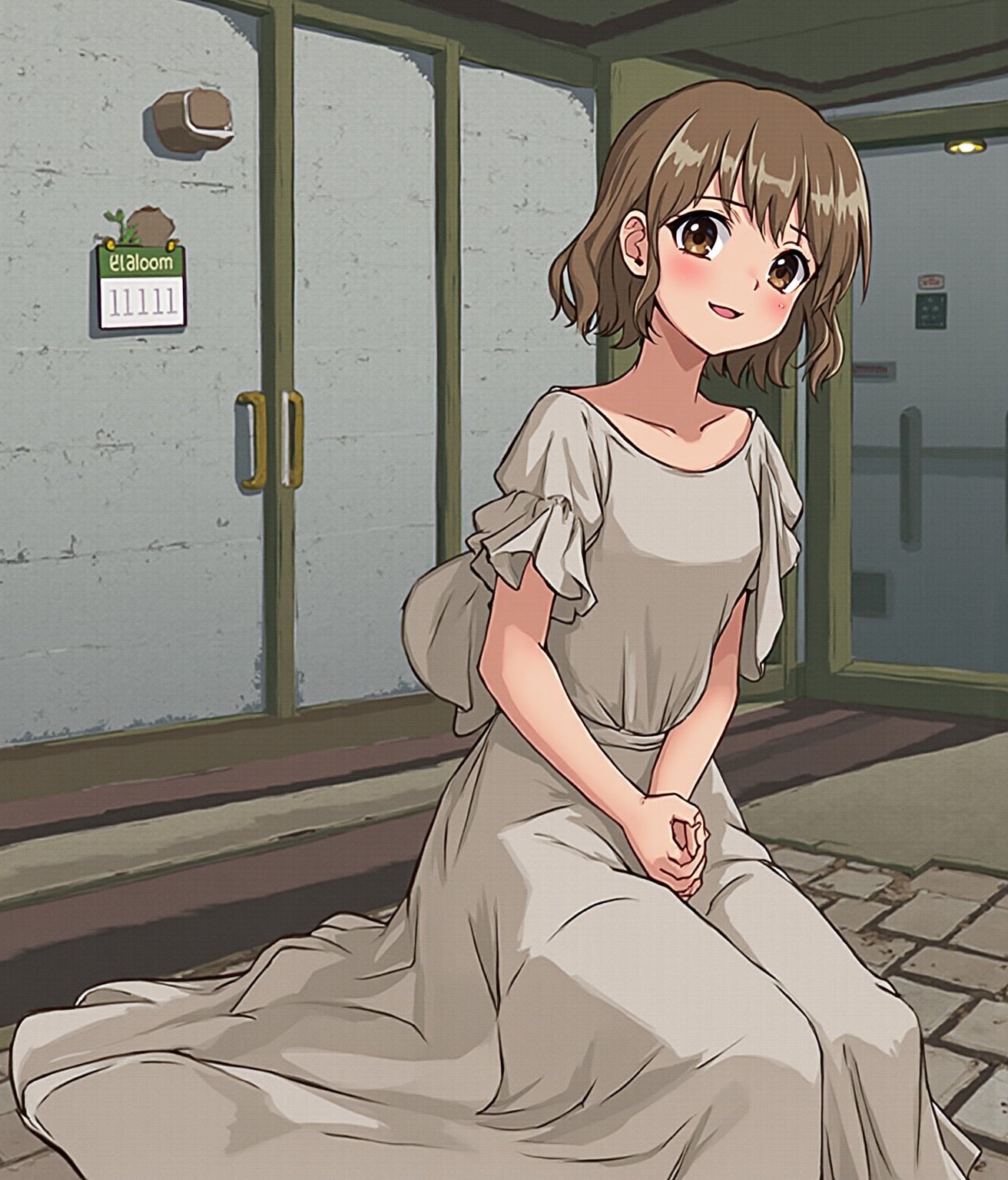
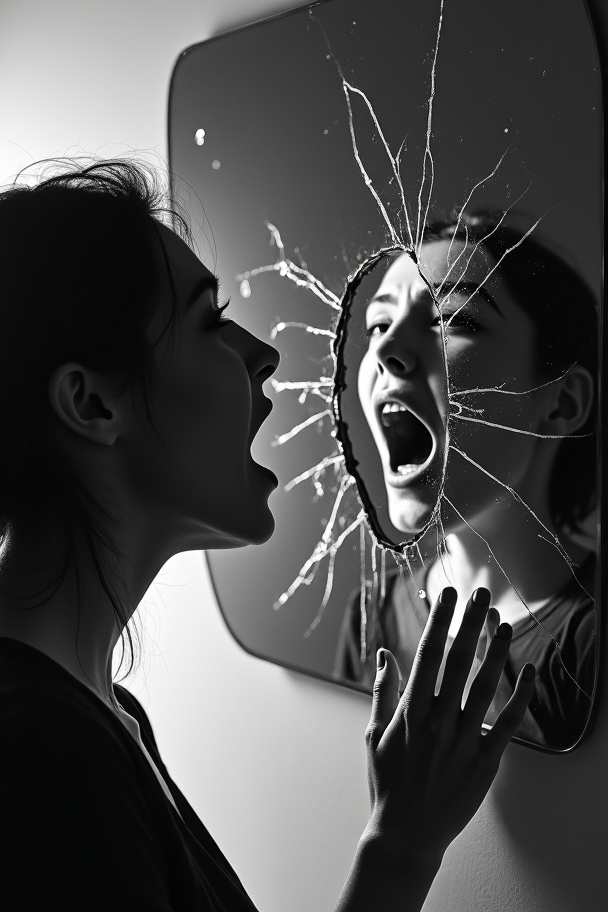
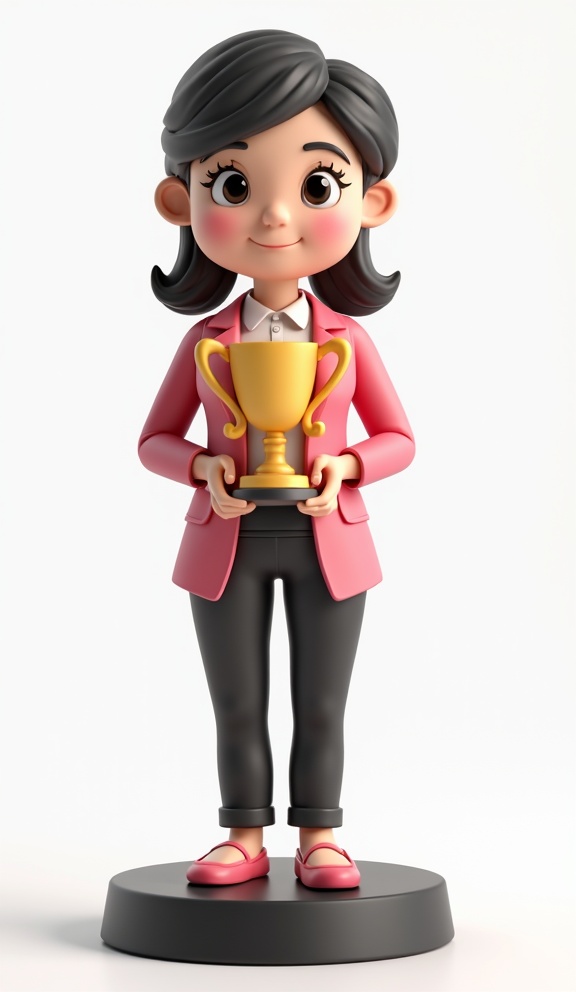
Verwandeln Sie Ihre Bilder mit dem FLUX.1 Bild-zu-Bild Generator. Mit einem 12-Milliarden-Parameter-Transformator ermöglicht dieses Tool atemberaubende Modifikationen und Verbesserungen basierend auf detaillierten Texteingaben.
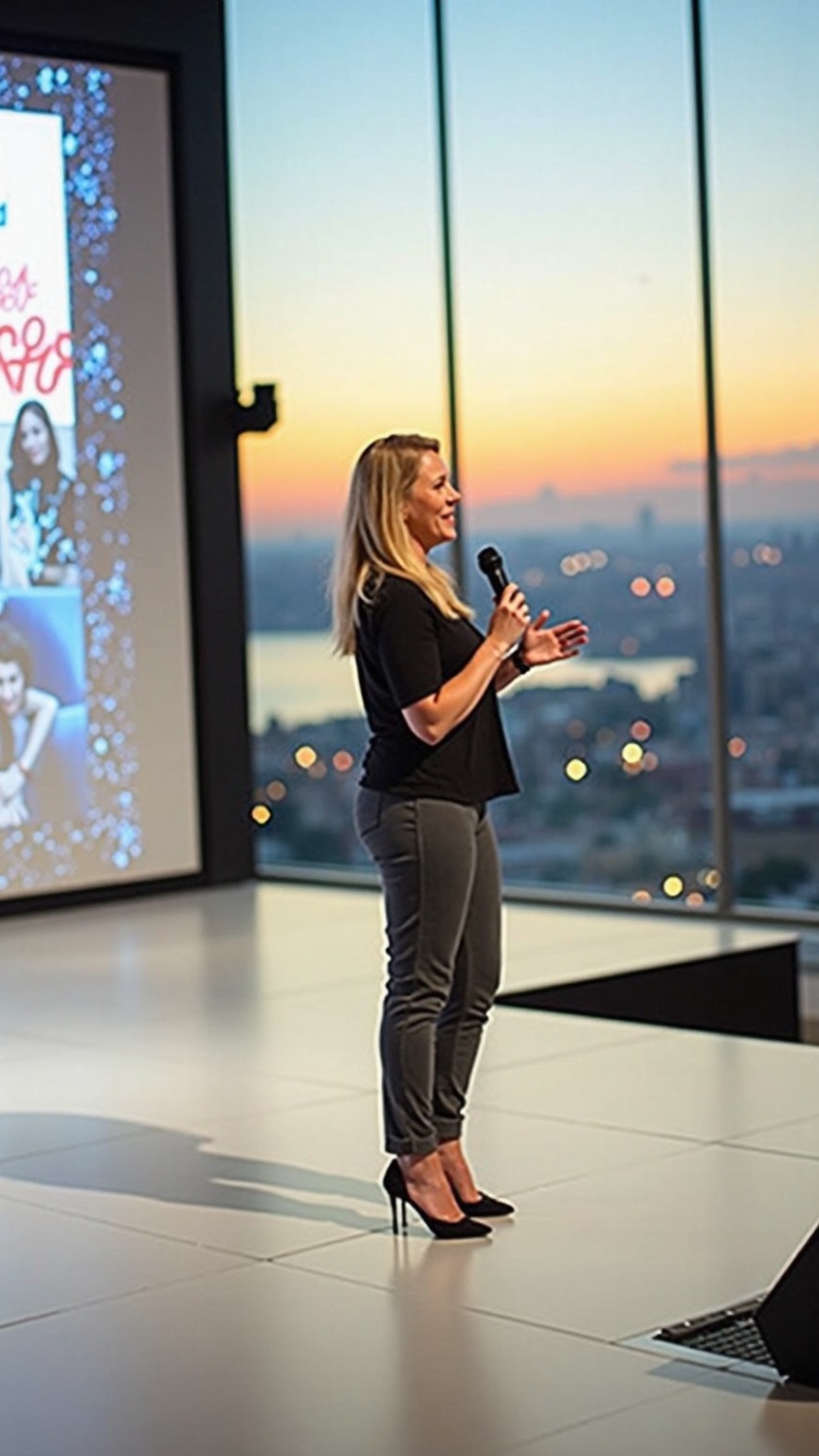
Generiertes Bild

"Create an image of me as a professional presenter on a modern stage, addressing an audience. The setting should resemble a high-tech event or product launch, with a large screen behind me displaying visuals related to the event. I should be dressed in a stylish, modern outfit, holding a microphone, and engaging with the audience as if I am explaining a new product or unveiling something innovative. The lighting should be dynamic and emphasize the excitement of the moment, similar to a keynote speaker at a major tech conference."
three slices of perfectly round bread generiously topped with camember cheese, cranberries and some rocket

make faires

pooping on a donut

Sleeping bed night thai bedroom 1940

Retrato elegante de uma mulher com rosto oval, pele morena queimada de sol, cabelos longos pretos volumosos e levemente ondulados, repartidos de lado com volume natural. Olhos verdes em formato amendoado, cílios marcantes, sobrancelhas escuras bem definidas. Lábios cheios com gloss rosa, nariz refinado e reto, feições simétricas. Usando jaqueta brilhante rosa e branca e brincos de argolga. Leve sorriso, cabeça inclinada para o lado, olhando for a da câmera. Iluminação natural, brilho suave na pele, fundo desfocado estilo foto de celular

black-and-white photo with the broad-shouldered silhouette of a man in a trench coat standing in a doorway coming in. The man holding the door handle, as if he just entered the room.

Design Guidelines for Kid-Friendly Learning App Use this guide to ensure every visual element — from characters to icons to backgrounds — is cohesive, child-friendly, and ready for screen-based animation. These principles must be followed for all illustrations, UI assets, and animations. 1. Clean Flat Vector Aesthetic Do this: • Use solid, flat colors only — no gradients, no shadows, no textures. • No outlines. Shapes should be clean and readable without strokes. • All shapes must be soft and rounded. No sharp corners or aggressive angles. Purpose: • Creates a friendly, safe, and screen-friendly appearance. • Ensures clarity and consistency on all screen sizes. 2. Color System Primary Colors (Main UI Elements, Highlights) 1. Fresh Green – RGB: (2, 157, 103) – Hex: #029d67 2. Sky Blue – RGB: (119, 188, 246) – Hex: #77bcf6 3. Sunshine Yellow – RGB: (250, 221, 62) – Hex: #fadd3e 4. Blush Pink – RGB: (246, 121, 122) – Hex: #f6797a 5. Peach Orange – RGB: (254, 206, 138) – Hex: #fece8a Accent Colors (Icons, Small UI Highlights) 6. Bubblegum Pink – RGB: (250, 137, 179) – Hex: #fa89b3 7. Leaf Green – RGB: (94, 204, 71) – Hex: #5ecc47 8. Turquoise – RGB: (63, 179, 236) – Hex: #3fb3ec 9. Tangerine – RGB: (255, 145, 66) – Hex: #ff9142 10. Citrus Lime – RGB: (143, 202, 63) – Hex: #8fca3f 11. Coral Red – RGB: (204, 55, 59) – Hex: #cc373b 12. Pumpkin Orange – RGB: (233, 107, 28) – Hex: #e96b1c 13. Electric Purple – RGB: (97, 62, 232) – Hex: #613ee8 14. Berry Purple – RGB: (210, 50, 190) – Hex: #d232be 15. Seafoam Green – RGB: (34, 181, 115) – Hex: #22b573 16. Flamingo Pink – RGB: (255, 113, 206) – Hex: #ff71ce Neutral / Background Color 17. Pure White – RGB: (255, 255, 255) – Hex: #ffffff 18. Charcoal Black – RGB: (0, 0, 0) – Hex: #000000 19. Cool Gray – RGB: (246, 246, 246) – Hex: #f6f6f6 20. Soft Lavender – RGB: (240, 173, 234) – Hex: #f0adea Structural / Environment Colors (Houses, Mountains, Natural Shapes) 21. Brick Red – RGB: (204, 55, 59) – Hex: #cc373b 22. Earth Brown – RGB: (140, 101, 46) – Hex: #8c652e 23. Royal Blue – RGB: (63, 72, 204) – Hex: #3f48cc 24. Eggplant Purple – RGB: (118, 66, 138) – Hex: #76428a 25. Lemon Cream – RGB: (255, 255, 128) – Hex: #ffff80 Rules: • Colors must be bright and high-saturation. • Ensure strong contrast between foreground and background for accessibility. • Do not use gradients, shadows, or lighting effects. • Use layering to imply depth — not realism. 3. Emotionally Expressive Characters Character Style: • Use chibi proportions: Big heads, small bodies. • Simplify anatomy: No fingers, necks, or detailed joints. • Faces must show clear, exaggerated emotions using: ◦ Wide eyes ◦ Thick eyebrows ◦ Open mouths Design with Personality: • Characters should have distinct moods: ◦ e.g., Character 1 always looks bored or skeptical. ◦ Character 2 might always look excited or curious. Consistency: • Maintain a unique silhouette for each character. • Stick to flat color blocks and geometric forms. 4. Geometric Design Rules Use geometric primitives: • Circles: Heads, eyes, cheeks, hands • Rounded rectangles: Limbs, torsos • Triangles (simplified): Hair spikes, ears, tails Layout rules: • Use centered symmetry for balance and harmony. • Keep designs pixel-perfect — optimized for mobile and tablet. 5. Modular & Animation-Ready Build assets for reuse: • Design facial features (eyes, mouths, brows) on separate layers. • Keep limbs, accessories, and props modular. • Build characters with rig-friendly layering (for use in Lottie or After Effects). UI Integration: • Every illustration must work within screen layouts (buttons, menus, instructional cards). • Avoid overly wide or tall characters that don’t fit standard containers. 6. Educational Reinforcement through Visuals Design with purpose: • Illustrations must clarify language concepts. ◦ e.g., A pig eating an apple for the sentence “The pig eats an apple.” • Props like books, food, and flags must be instantly recognizable, using the same flat vector style. Icons: • Follow the same color and shape rules. • Keep icons simple and functional — never more than 2–3 elements. Do NOT Use Element Reason Gradients or shadows Breaks minimalist, child-friendly look Thin outlines or sketch lines Reduces clarity on screens Realistic textures or proportions Not engaging or necessary for learning Overly complex characters Harder to animate and recognize Recommended Tools • Illustration: Inkscape Summary – Follow These Rules Every Time Design Element Rule Form Flat, soft-rounded, geometric Color Bright, bold, no gradients Characters Chibi-style, expressive, simplified Function Modular, animation-ready, screen-first Mood Cheerful, supportive, child-safe Always ask yourself: “Is this fun, readable, and clear for a 5-year-old?” If not — simplify more. The design must focus on large, inviting, easily tappable elements. Users have less precise motor control, so visual clarity, big targets, and playful proportions are essential. Here’s a tailored guideline based on tablets (iPads and Android), accounting for common screen sizes (7″ to 13″) and PPI (150–326): Object Size Guidelines for Kids Learning Apps (Tablet-Specific) UI/Game Element Suggested Size (dp) Notes / Justification Main Character 120–160 dp Friendly, big enough to feel alive and visible in story scenes Tap Targets (e.g. letters, buttons, animals) ≥72 dp (ideal: 96–128 dp) Google recommends 48 dp minimum; for kids, 72+ dp is much safer Doors / Slide Entrances 150–200 dp height Symbolically large, triggers curiosity; sized for touch and animation Tiles (matching cards, grid) 96–128 dp square Easy tap zones for games like drag-drop, matching Coins / Stars / Icons 64–96 dp Slightly exaggerated visual feedback, avoids eye strain HUD Buttons (back, skip) 72–96 dp Visible even if in corners, still tappable by small fingers Letters / Word Cards 128–160 dp width Prioritize recognition and interaction; large font (32–48 sp) Story Slide Images Match 70–80% width of screen, height proportionally adjusted Avoid clutter; focus user attention on one subject per slide Layout Design Notes • Spacing between tappable elements should be at least 24–32 dp to avoid accidental taps. • Use large margins (~48 dp) around content to prevent screen edge touches from failing. • Maintain aspect ratios: design with 4:3 or 16:10 safe areas, avoid edge pinning. Interaction Guidelines • Make all animations & touch effects oversized and playful (e.g., characters bounce, grow on touch) • Use high-contrast flat colors (from your design guide palette) • Use visual cues, not just text (e.g., an apple image with the letter “A”) Example Sizes in Practice Imagine a story slide in Duo ABC-style UI: Element Size Main character 140 dp tall Friend / Animal 120 dp Tree / Door 160–180 dp height Letter card 128×96 dp Next button 96 dp These values will feel natural on both: • iPad 10.9” @ 2360×1640 (264 ppi) • Android 10” @ 1920×1200 (220 ppi) Summary • Design large, bold, spaced UI—ideal for small hands and attention spans. • Target size for tap elements: 96–128 dp • Use scalable vector assets or multiple PNG resolutions • Keep character sizes between 120–160 dp • Always test on 4:3 and 16:10 tablets

Add tarot cards and change the color of the cristal ball and take off the hat

black-and-white photo with the backlit dark silhouette of a handsome broad-shouldered man in a trench coat standing in a doorway coming and looking to camera. The man holding the door handle, as if he just entered the room. God rays. Backlight
Wie benutzt man den FLUX.1 Bild-zu-Bild Generator?
Folgen Sie diesen Schritten, um Ihre Bilder mit FLUX.1 Bild-zu-Bild zu transformieren und zu verbessern:
- Laden Sie Ihr Bild im PNG- oder JPG-Format hoch, bis zu 2048 x 2048 Pixel.
- Geben Sie eine detaillierte Texteingabe ein, die die gewünschten Änderungen oder Verbesserungen beschreibt.
- Passen Sie die Modellparameter wie Auflösung und Rauschunterdrückungsgrad an, um das gewünschte Ergebnis zu erzielen.
Häufig gestellte Fragen
Wofür wird FLUX.1 Bild-zu-Bild verwendet?
FLUX.1 Bild-zu-Bild wird verwendet, um Bilder basierend auf spezifischen Textbeschreibungen zu transformieren und zu verbessern. Es eignet sich perfekt für die Fotobearbeitung, kreative Prototyping und Kunstverfeinerung.
Wie erzeugt FLUX.1 Bild-zu-Bild Ergebnisse?
FLUX.1 Bild-zu-Bild verwendet ein leistungsstarkes Transformationsmodell, das Ihre Texteingaben interpretiert und detaillierte Änderungen an Ihrem hochgeladenen Bild vornimmt, um hochwertige Ausgaben zu erzeugen.
Welche Bildqualität kann ich von FLUX.1 Bild-zu-Bild erwarten?
FLUX.1 Bild-zu-Bild liefert erstklassige Bildqualität mit Auflösungen bis zu 2048 x 2048 Pixel, die hochrealistische und detaillierte Visualisierungen bieten.
Ist FLUX.1 Bild-zu-Bild für kommerzielle Zwecke geeignet?
Ja, FLUX.1 Bild-zu-Bild ist für persönliche, wissenschaftliche und kommerzielle Zwecke geeignet und bietet flexible Lizenzen für eine Vielzahl von Anwendungen.
Was macht FLUX.1 Bild-zu-Bild besonders?
FLUX.1 Bild-zu-Bild zeichnet sich durch seine fortschrittlichen KI-Fähigkeiten aus, die präzise und detaillierte Bildtransformationen ermöglichen, die den Benutzereingaben genau entsprechen.
Wie kann ich die besten Ergebnisse mit FLUX.1 Bild-zu-Bild erzielen?
Um die besten Ergebnisse zu erzielen, verwenden Sie klare und detaillierte Eingaben. Experimentieren Sie mit verschiedenen Parametern, um das Ergebnis an Ihre Bedürfnisse anzupassen.